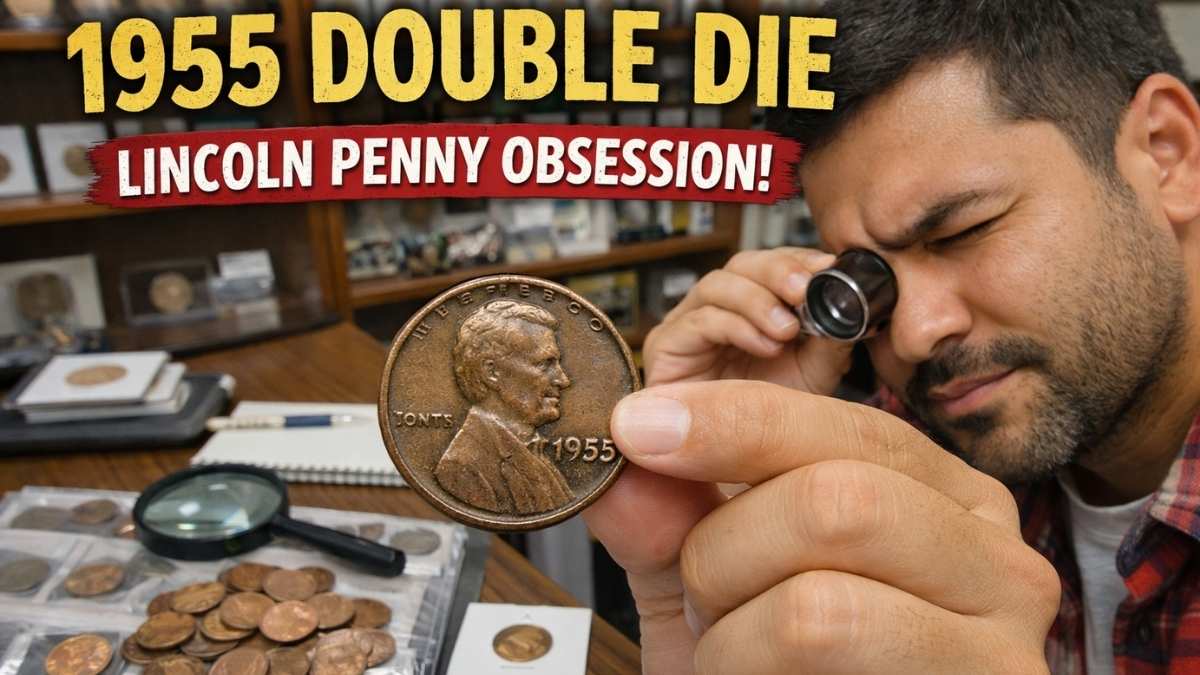
1955 Double Die Lincoln Penny Obsession: The 1955 Double Die Lincoln Penny is one of the most famous error coins in American history. Its striking appearance, caused by a minting mistake, has fascinated collectors for decades. The exaggerated claim that this coin could be worth $300 million adds to its legendary status and keeps the obsession alive. While the real value is far lower, the myth continues to inspire treasure hunters and coin enthusiasts worldwide.
The Origins of the Double Die Error
In 1955, the United States Mint in Philadelphia produced millions of Lincoln Wheat Pennies. During the minting process, a mechanical error occurred when the coin’s die was impressed twice at slightly different angles. This mistake created a doubled image on the obverse, most noticeably on the date and inscriptions. The result was a coin with bold, doubled lettering that stood out immediately to anyone who examined it closely. Instead of being discarded, thousands of these coins entered circulation, sparking one of the greatest numismatic stories of the twentieth century.
Why the 1955 Double Die Penny Is So Famous
The fame of this coin lies in its visibility. Unlike subtle minting errors that require magnification to detect, the doubling on the 1955 penny is obvious to the naked eye. The date “1955” and the words “LIBERTY” and “IN GOD WE TRUST” appear doubled, making the coin instantly recognizable. This dramatic error captured public attention and quickly became a symbol of rarity and value. Collectors began searching tirelessly for examples, and the coin’s reputation grew with each discovery.
The Myth of the $300M Mistake
The idea that a single 1955 Double Die Lincoln Penny could be worth $300 million is more fantasy than fact. In reality, high‑grade examples have sold for tens of thousands of dollars, with some reaching over $100,000. The exaggerated figure persists because people love the idea of a small coin holding unimaginable wealth. It is a story that blends history, rarity, and the thrill of discovery. The myth makes headlines and sparks curiosity, encouraging more people to explore coin collecting.
Famous Auction Stories
Over the years, the 1955 Double Die Penny has appeared in numerous auctions and private sales. Collectors have paid impressive sums for coins in pristine condition. One example graded “MS‑65 Red” sold for more than $50,000, while other high‑grade specimens have fetched even higher prices. These stories inspire everyday people to check their own collections, hoping to stumble upon a hidden fortune. While no penny has ever reached the mythical $300 million mark, the excitement of discovery is priceless.
The Role of Coin Collecting in American Culture
Coin collecting has long been a cherished hobby in the United States. It connects people to history and provides a tangible link to the past. The 1955 Double Die Penny is often considered a cornerstone of American numismatics. Its rarity and dramatic error make it a favorite among collectors. The exaggerated tales of million‑dollar values add a sense of adventure, making the hobby more appealing to newcomers and seasoned enthusiasts alike.
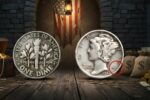
How to Identify a Genuine 1955 Double Die Penny
For those curious about identifying this legendary coin, the key detail is the doubling on the obverse. The date “1955” and the inscriptions are clearly doubled, visible without magnification. Genuine examples have a bold and distinct doubling effect, unlike counterfeits that often show weak or blurred images. Because fakes exist, professional grading and authentication are essential to confirm authenticity. Learning these details can help collectors avoid costly mistakes and ensure they are purchasing genuine treasures.
The Thrill of the Hunt
Part of the appeal of coin collecting is the thrill of the hunt. Every coin examined carries the possibility of being rare and valuable. Even though the odds of finding a 1955 Double Die Penny are slim, the excitement keeps collectors engaged. The exaggerated stories of a $300 million penny add fuel to this passion, making the search feel like a treasure hunt. For many, the joy comes not from the monetary value but from the connection to history and the satisfaction of discovery.
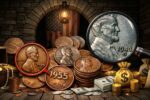
The Reality Behind the Headlines
While headlines may claim that a 1955 Double Die Lincoln Penny is worth $300 million, the truth is more modest. Rare pennies can indeed be valuable, but their worth is grounded in historical significance, rarity, and collector demand. The exaggerated figures serve as attention‑grabbing hooks, but they should not be mistaken for reality. Still, the myth plays an important role in keeping the hobby alive and inspiring new generations to explore the world of numismatics.
Conclusion
The 1955 Double Die Lincoln Penny remains one of the most iconic coins in American history. Its dramatic error, rarity, and cultural significance make it a favorite among collectors. The myth of a $300 million valuation may be exaggerated, but it reflects the excitement and imagination that coin collecting inspires. Whether discovered in an old jar or sold at auction, each 1955 Double Die Penny carries a story worth telling. For collectors and dreamers alike, this coin represents the possibility that a small piece of history could still change lives and remain one of the most famous mistakes in numismatic history.