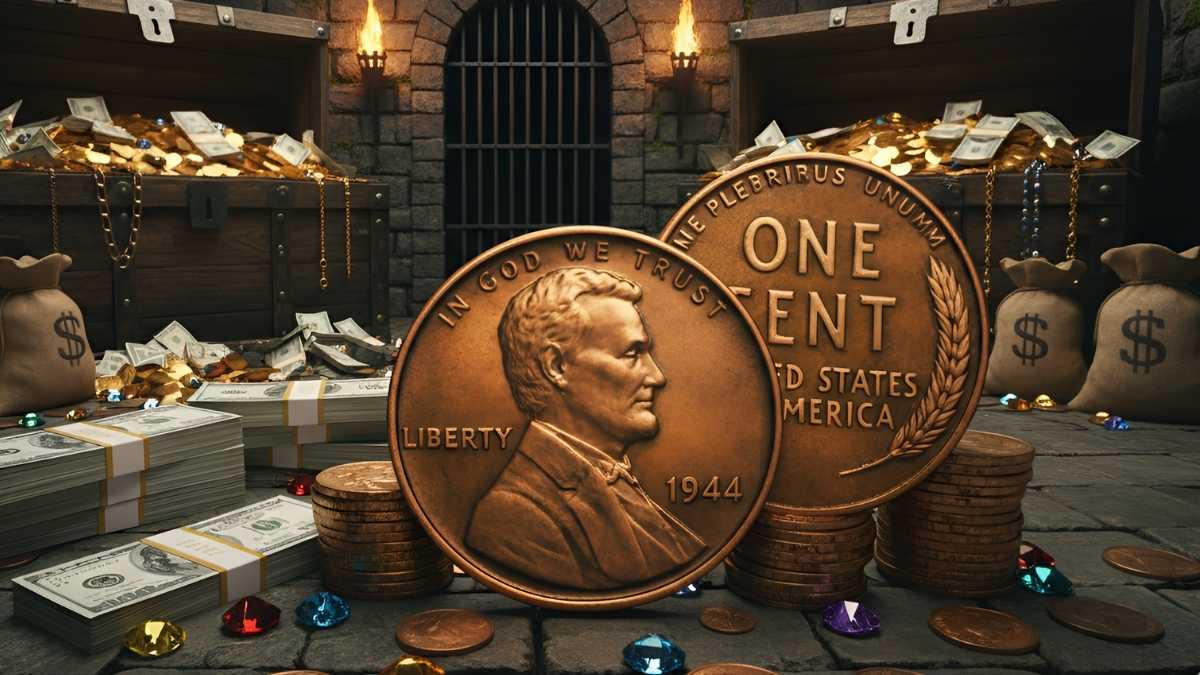
2026 Wheat Penny Value Chart: The Wheat penny, officially known as the Lincoln cent with the wheat reverse, remains one of the most beloved coins in American numismatics. Minted from 1909 to 1958, these coins carry immense historical significance and continue to attract collectors worldwide. In 2026, the market for Wheat pennies is thriving, with rare dates, mint errors, and condition playing key roles in determining value.
The History of the Wheat Penny
The Wheat penny was introduced in 1909 to commemorate the centennial of Abraham Lincoln’s birth. Designed by Victor David Brenner, the obverse features Lincoln’s portrait, while the reverse displays two wheat stalks framing the denomination. This design marked the first time a U.S. coin depicted a real person, setting a precedent for future coinage.
Rare Dates That Command High Value
Certain years and mint marks are especially prized by collectors. The 1909‑S VDB penny, with its limited mintage, is one of the most famous rarities. Other valuable dates include the 1914‑D, 1922 no‑D, and 1931‑S. These coins can fetch thousands of dollars depending on condition and grading.
Mint Errors and Varieties
Minting errors add another layer of intrigue to Wheat pennies. Double dies, off‑center strikes, and repunched mint marks are examples of errors that increase value. The 1955 double die obverse is one of the most iconic error coins in U.S. history, with its dramatic doubling making it instantly recognizable.
Condition and Grading
The condition of a Wheat penny is critical in determining its worth. Coins graded as mint state by professional services command significant premiums. Collectors look for sharp details, strong luster, and minimal wear. Even common dates can be valuable if preserved in pristine condition.
Historical Price Changes
Over the decades, the value of Wheat pennies has steadily increased. Rare dates that once sold for modest sums now command thousands at auction. The growth reflects both the scarcity of high‑grade examples and the enduring popularity of Lincoln cents among collectors.

Market Trends in 2026
The market for Wheat pennies remains strong in 2026. Online marketplaces and auction houses frequently feature rare examples, with bidding reflecting their desirability. Younger collectors are increasingly drawn to these coins, ensuring continued demand and appreciation in value.
Everyday Change with Hidden Value
Although Wheat pennies are no longer in circulation, they still appear occasionally in old collections or inherited coin jars. Discovering a rare date or mint error among them can be a thrilling experience, turning an ordinary coin into a hidden treasure.

Tips for Collectors
Collectors should pay close attention to mint marks, strike quality, and overall condition when evaluating Wheat pennies. Proper storage is essential to prevent tarnish and wear. Consulting grading services and reputable dealers can help identify valuable varieties and ensure authenticity.
Conclusion
The Wheat penny is more than a coin. It is a piece of American history and, in rare cases, a hidden fortune. Rare dates, mint errors, and high‑grade examples make these coins valuable additions to any collection. In 2026, they continue to capture the imagination of collectors, proving that even the smallest denomination can hold extraordinary treasures.