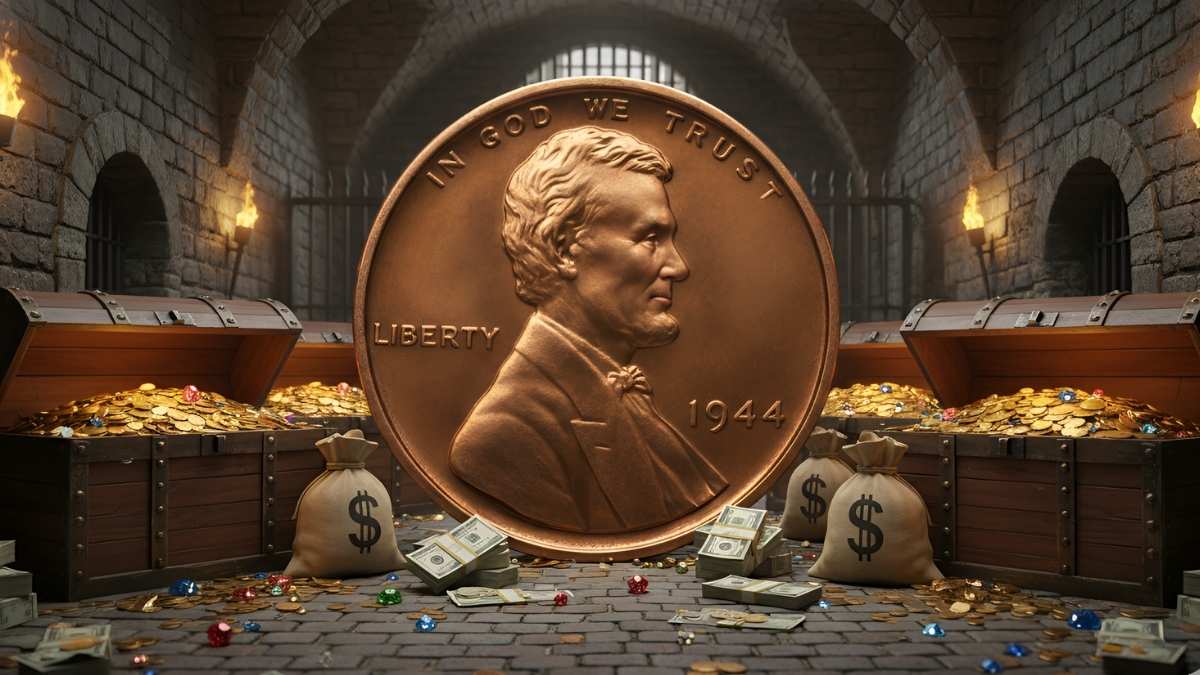
Coin Collecting Tips: The Lincoln Wheat penny, minted from 1909 to 1958, is one of the most beloved coins among collectors. Its design, featuring Abraham Lincoln on the obverse and two wheat stalks on the reverse, makes it instantly recognizable. For many, it is the gateway into coin collecting, offering both historical significance and the thrill of discovering hidden value in everyday change.
How to Identify a Lincoln Wheat Penny
Identifying a Lincoln Wheat penny is straightforward once you know what to look for. The obverse shows Lincoln’s portrait, while the reverse displays two wheat stalks framing the words “ONE CENT.” The minting years are key, as only coins produced between 1909 and 1958 carry the wheat design. Checking the mint mark, located below the date, is also important. Mint marks such as “D” for Denver or “S” for San Francisco can influence rarity and value.

Key Dates and Rarities
Not all Wheat pennies are equal in value. Certain years and mint marks are considered rare and highly collectible. The 1909-S VDB penny, for example, is one of the most famous rarities due to its limited production. Other key dates include the 1914-D and the 1922 no D penny. Collectors prize these coins because of their scarcity, and they often command high prices in auctions and private sales.
Condition Matters
The condition of a Lincoln Wheat penny plays a major role in its value. Coins are graded on a scale ranging from poor to mint state. A heavily worn penny may only be worth a few cents, while an uncirculated example can be worth hundreds or even thousands of dollars. Collectors look for sharp details, minimal wear, and original luster when evaluating condition.
Understanding Value
The value of a Wheat penny depends on several factors: year, mint mark, rarity, and condition. Common dates in circulated condition may be worth only a few cents, but rare dates in pristine condition can be highly valuable. Price guides and auction records provide benchmarks, but market demand also influences value. For beginners, even modest finds can be exciting, offering a sense of connection to history.
Tips for Collectors
For those interested in collecting Wheat pennies, patience and attention to detail are essential. Start by examining coins in circulation or inherited collections. Use a magnifying glass to check dates and mint marks carefully. Consider investing in coin albums to organize and protect your collection. Learning about grading standards will also help you assess value more accurately.
The Joy of Discovery
Part of the appeal of collecting Wheat pennies lies in the possibility of finding a rare coin in an ordinary setting. Stories abound of collectors discovering valuable pennies in jars, drawers, or pocket change. Each coin carries a piece of history, and the act of searching brings both excitement and education. Even common pennies can spark curiosity and appreciation for the artistry of coin design.
Conclusion
The Lincoln Wheat penny remains a cornerstone of American numismatics. Its historical significance, iconic design, and potential value make it a rewarding pursuit for collectors of all levels. By learning how to identify key dates, assess condition, and understand value, enthusiasts can build meaningful collections while enjoying the thrill of discovery. In the end, the Wheat penny is more than just currency; it is a tangible link to the past and a symbol of the enduring appeal of coin collecting.