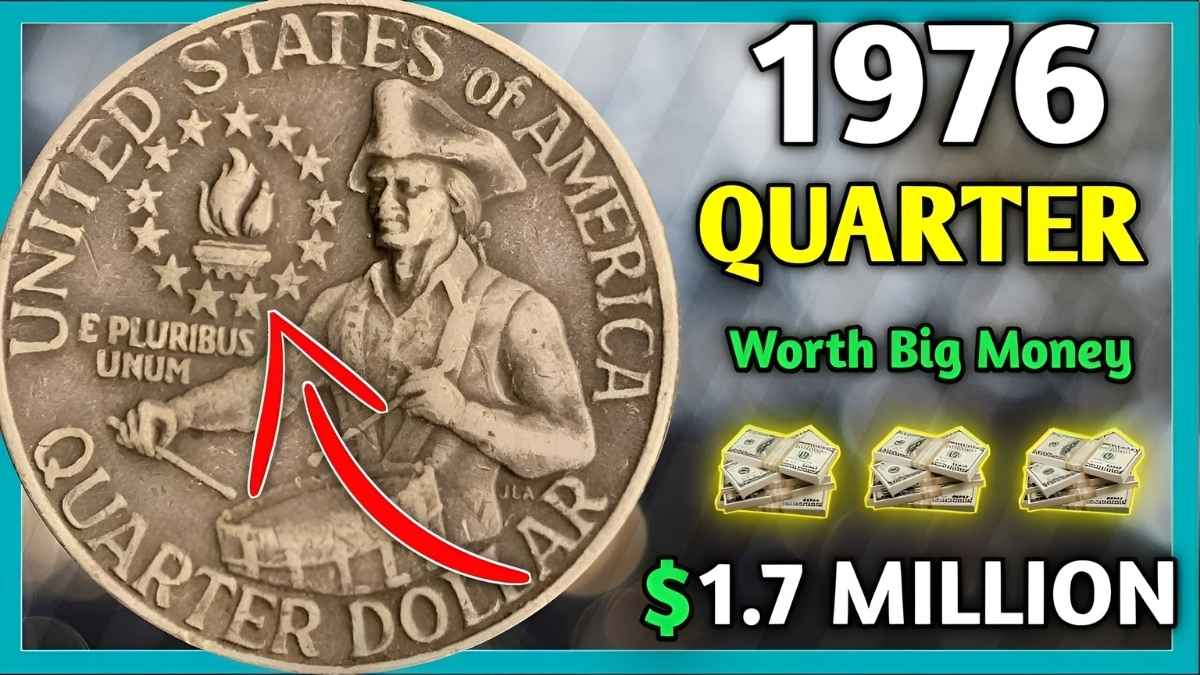
Bicentennial Quarter Error Guide: Coin collecting has always been a fascinating hobby that blends history, art, and investment. Among the most popular coins in the United States are Bicentennial quarters, minted in 1975 and 1976 to celebrate the 200th anniversary of American independence. While millions were produced, certain error varieties stand out and can be worth far more than their face value. This guide explores how to identify these rare coins, why they are valuable, and what collectors and investors should know.
The Bicentennial Quarter Design
The Bicentennial quarter features a unique reverse design created by Jack L. Ahr. Instead of the traditional eagle, the coin shows a colonial drummer with a torch surrounded by thirteen stars. The obverse still carries George Washington’s portrait but includes the dual date 1776–1976. This design was a one‑time issue, making the coin instantly recognizable.

Why Errors Occur
Errors happen during the minting process when machinery malfunctions or when blanks are improperly prepared. These mistakes create coins that differ from the intended design. Collectors prize such coins because they are rare and often visually striking. In the case of Bicentennial quarters, several error types have been documented.
Common Error Varieties
Double Die Errors
One of the most sought‑after errors is the double die. This occurs when the coin die strikes the blank twice at slightly different angles, creating a doubled image. On Bicentennial quarters, doubling can appear on the drummer’s hands, the torch, or the lettering.

Off‑Center Strikes
An off‑center strike happens when the blank is not properly aligned in the press. The result is a coin with part of the design missing or shifted. Bicentennial quarters with significant off‑center strikes are rare and can command high prices.
Clipped Planchets
A clipped planchet error occurs when the blank metal disc is improperly cut, leaving a curved or straight clip on the coin’s edge. These errors are visually obvious and highly collectible.

Wrong Planchet Errors
Occasionally, a Bicentennial quarter was struck on a planchet intended for another denomination. For example, a quarter struck on a dime planchet is smaller and lighter than normal. Such mistakes are extremely rare and valuable.
Value Factors
The value of an error Bicentennial quarter depends on several factors:

- Type of error: Some errors are more dramatic and desirable than others.
- Condition: Coins in mint state or uncirculated condition fetch higher prices.
- Rarity: The fewer examples known, the greater the value.
- Market demand: Collector interest can drive prices up significantly.
Examples of High Value Sales
Error Bicentennial quarters have sold for hundreds or even thousands of dollars at auctions. A dramatic off‑center strike in mint condition might bring several hundred dollars, while a wrong planchet error could exceed a thousand. Double die varieties also attract strong bidding among collectors.
How to Spot Errors
Collectors should carefully examine coins under good lighting and magnification. Look for doubling in the design, unusual shapes along the edge, or misaligned strikes. Weight and size differences can also indicate a wrong planchet error.

Collecting Strategies
For those interested in building a collection, consider these strategies:
- Start with circulated coins: Many error varieties can be found in pocket change.
- Use magnification tools: A jeweler’s loupe or digital microscope helps spot subtle errors.
- Learn grading standards: Understanding coin grading ensures accurate valuation.
- Follow auction results: Watching sales provides insight into current market trends.
Investment Potential
Error coins are not only fun to collect but can also serve as investments. Their rarity and historical significance make them appealing to both hobbyists and investors. While values can fluctuate, demand for Bicentennial error quarters remains strong.

Preservation Tips
To maintain value, coins should be stored properly:
- Use protective holders: Airtight holders prevent scratches and tarnish.
- Avoid cleaning: Cleaning can damage the surface and reduce value.
- Control environment: Store coins in a cool, dry place away from humidity.
Conclusion
The Bicentennial quarter is a beloved piece of American history, and error varieties add an exciting dimension to collecting. From double dies to off‑center strikes, these coins can be worth far more than their face value. For collectors and investors alike, spotting and preserving these rare pieces offers both enjoyment and financial reward.