Bicentennial Quarters Value Guide: Coin collecting is a fascinating blend of history, art, and investment. Among the most iconic coins in American numismatics are Bicentennial quarters, minted in 1975 and 1976 to celebrate the 200th anniversary of independence. While millions were produced, some quarters hold special value due to condition, rarity, or minting errors. This guide explores how to evaluate your Bicentennial quarters and what they might be worth today.
The Bicentennial Quarter Design
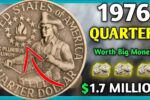
The Bicentennial quarter stands out because of its unique design. The reverse features a colonial drummer with a torch surrounded by thirteen stars, symbolizing the original colonies. The obverse retains George Washington’s portrait but includes the dual date 1776–1976. This design was issued only once, making it instantly recognizable and historically significant.
Why Bicentennial Quarters Are Popular
Collectors love Bicentennial quarters because they represent a milestone in American history. They were widely circulated, so nearly everyone has seen or used one. Their distinctive design and connection to the nation’s bicentennial celebration make them a favorite among hobbyists.
Circulated vs. Uncirculated Value
Most Bicentennial quarters found in circulation are worth only their face value. However, uncirculated examples, especially those preserved in mint sets, can be worth more. Coins graded in high mint state conditions may sell for several dollars each, while pristine examples can command higher prices.

Silver Bicentennial Quarters
The U.S. Mint also produced special 40 percent silver Bicentennial quarters for collectors. These coins were sold in proof and uncirculated sets. Today, silver Bicentennial quarters are worth more than face value due to both silver content and collector demand. Depending on condition, they can range from a few dollars to over $20.
Error Varieties
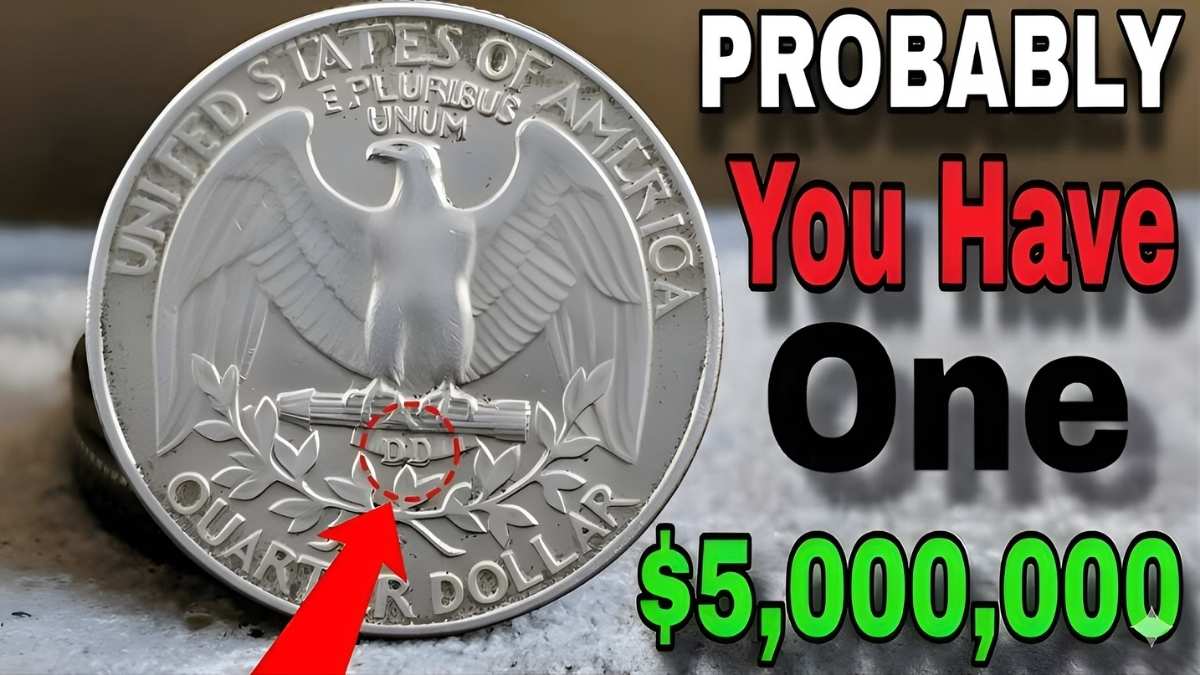
Error coins are especially prized by collectors. Bicentennial quarters with errors such as double dies, off center strikes, or clipped planchets can be worth hundreds or even thousands of dollars. These coins are rare and often visually striking, making them highly desirable.
Grading and Condition
The condition of a coin plays a major role in its value. Coins are graded on a scale from poor to mint state. A Bicentennial quarter in mint state condition with sharp details and no wear can be worth significantly more than a circulated example. Professional grading services can provide certification that adds credibility and value.
Market Demand
The value of Bicentennial quarters also depends on collector demand. While millions were produced, interest in error varieties and silver issues remains strong. Auction results show that rare examples continue to attract competitive bidding.

How to Check Your Quarters
Collectors should examine their coins under good lighting and magnification. Look for unusual features such as doubling in the design, clipped edges, or misaligned strikes. If you suspect you have a rare variety, consider having it professionally graded.
Preservation Tips
To maintain value, coins should be stored properly. Use protective holders to prevent scratches, avoid cleaning, and keep coins in a cool, dry environment. Proper preservation ensures that coins retain their appeal and market value.

Investment Potential
Bicentennial quarters are not only fun to collect but can also serve as investments. Their historical significance and potential rarity make them appealing to both hobbyists and investors. While most are common, rare varieties and silver issues offer opportunities for profit.
Conclusion
The Bicentennial quarter is more than just pocket change; it is a piece of American history. While most examples are worth only face value, silver issues and error varieties can be worth much more. For collectors and investors, these coins represent both a connection to the past and a chance to uncover hidden treasures.