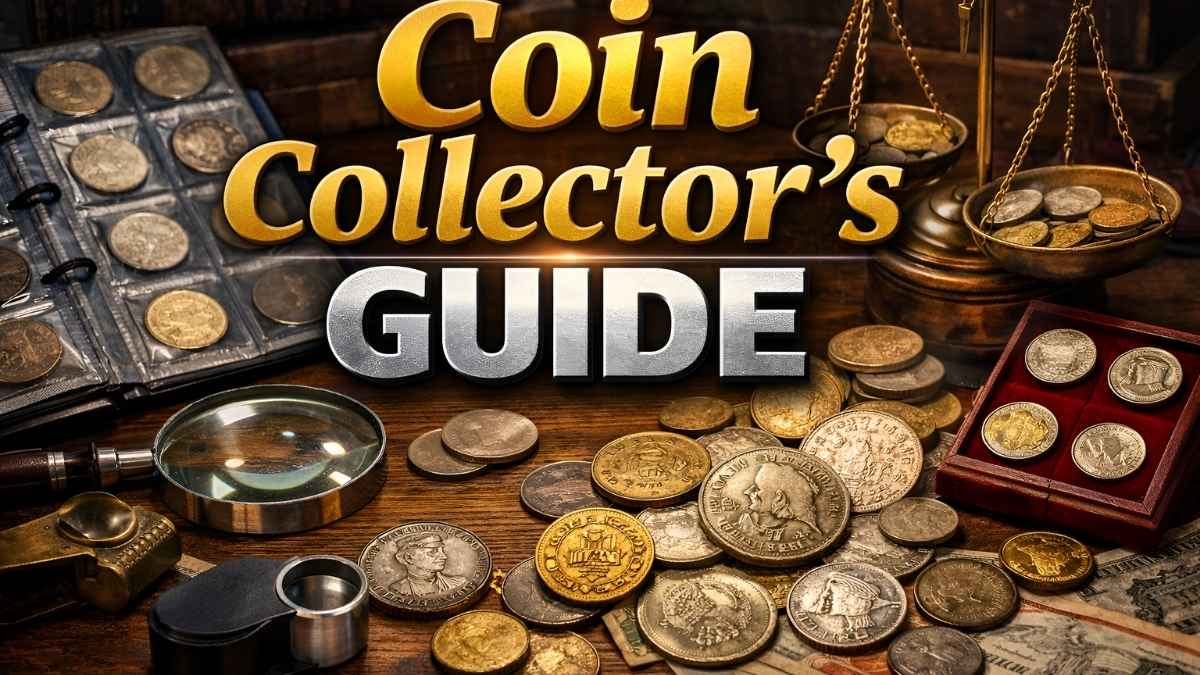
Coin Collector’s Guide 2026: Coin collecting has long been a fascinating hobby, blending history, artistry, and investment potential. Among the most collected coins in the United States, the Lincoln penny holds a special place. First introduced in 1909 to honor President Abraham Lincoln, this coin has undergone numerous design changes and mint variations. In 2026, collectors continue to seek out rare editions, valuable mint marks, and condition‑specific pieces that can significantly increase a penny’s worth.
Historical Background
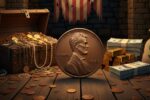
The Lincoln penny was the first U.S. coin to feature a president’s portrait. Designed by Victor David Brenner, it originally displayed Lincoln’s bust on the obverse and wheat stalks on the reverse. Over time, the reverse design evolved to include the Lincoln Memorial and later the Union Shield. Each design era carries its own collectible appeal, with certain years and mint marks standing out as particularly valuable.
Understanding Mint Marks
Mint marks are small letters on coins that indicate where they were produced. For Lincoln pennies, the most common mint marks are:
- P: Philadelphia Mint (often no mark before 1980).
- D: Denver Mint.
- S: San Francisco Mint.
Collectors pay close attention to mint marks because they can drastically affect value. For example, a 1909‑S VDB penny is one of the most sought‑after coins in U.S. history, commanding thousands of dollars in high grades.
Value Chart Overview
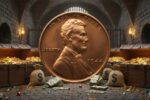
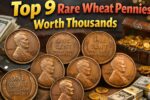
Lincoln penny values vary depending on year, mint mark, and condition. While most modern pennies are worth face value, older and rarer editions can be highly valuable.
- 1909‑S VDB: Ranges from several hundred dollars in circulated condition to tens of thousands in mint state.
- 1914‑D: Another key rarity, often valued in the thousands.
- 1922 No D: A Denver mint error penny without the “D” mark, highly prized by collectors.
- 1955 Double Die: Famous for its doubled lettering, worth hundreds to thousands depending on grade.
- Modern Shield Pennies (2010‑present): Typically face value, though proof and special editions can fetch higher prices.
Condition and Grading
The condition of a coin is critical in determining its value. Coins are graded on a scale from Poor (P‑1) to Mint State (MS‑70). Factors such as luster, strike quality, and absence of wear all contribute to higher grades. Professional grading services like PCGS and NGC provide certification that adds credibility and market value.
Collecting Strategies
- Focus on Key Dates: Target coins like the 1909‑S VDB or 1914‑D for long‑term value.
- Complete Sets: Many collectors aim to build complete Lincoln penny sets by year and mint mark.
- Condition Matters: Always prioritize coins in better condition, even if they cost more upfront.
- Proof and Special Editions: Modern proof pennies and anniversary issues can add variety to collections.
Investment Potential
While coin collecting is primarily a hobby, certain Lincoln pennies have proven to be strong investments. Rare editions often appreciate in value over time, especially when demand remains high. However, collectors should balance passion with practicality, understanding that not all coins will yield significant financial returns.
Conclusion
The Lincoln penny remains one of the most iconic and collectible coins in American numismatics. With its rich history, diverse mint marks, and potential for high value, it continues to captivate collectors in 2026. Whether you are just beginning your journey or expanding an established collection, understanding mint marks, condition, and rarity is essential. A well‑curated Lincoln penny collection is not only a tribute to history but also a rewarding pursuit for generations to come.