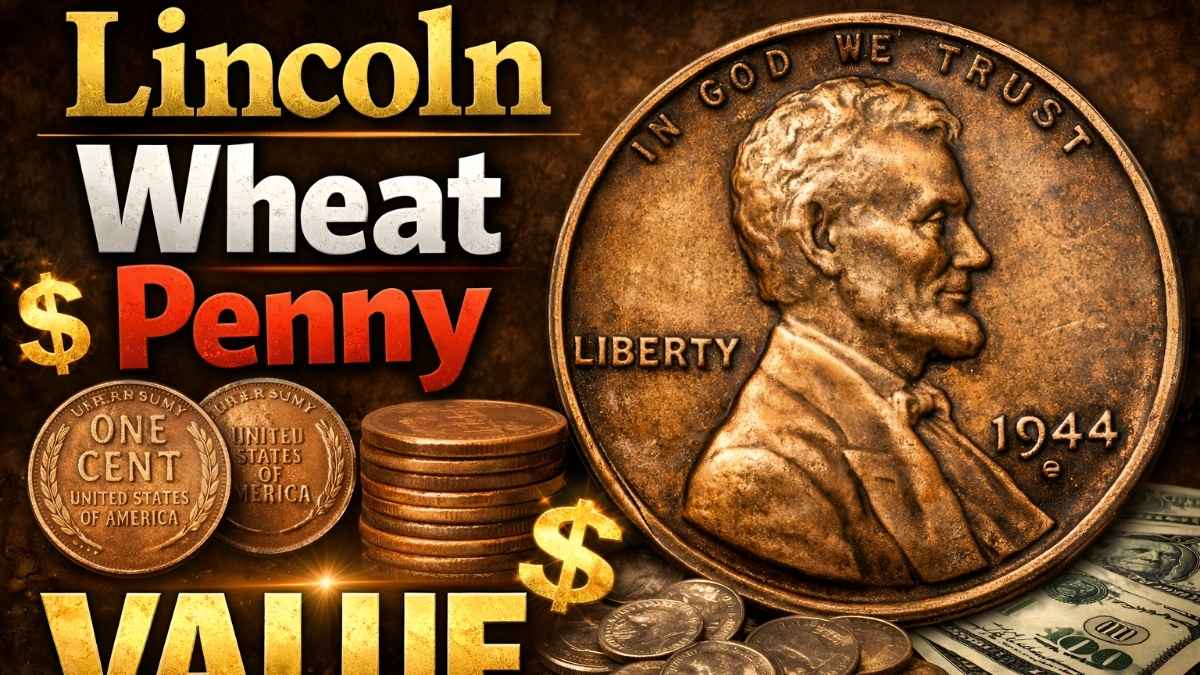
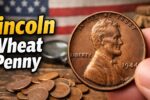
Lincoln Wheat Penny Value: The Lincoln Wheat Penny was first introduced in 1909 to commemorate the centennial of Abraham Lincoln’s birth. It was the first regular-issue U.S. coin to feature a real person rather than a symbolic figure. Designed by Victor David Brenner, the obverse displayed Lincoln’s portrait, while the reverse featured two wheat stalks framing the words “ONE CENT.”
This coin quickly became a favorite among Americans, not only for its design but also for its historical significance. It remained in circulation until 1958, when the reverse was changed to the Lincoln Memorial design.
Design Features That Made It Iconic
The Lincoln Wheat Penny stood out for its simplicity and symbolism. The wheat stalks represented prosperity and agricultural strength, while Lincoln’s portrait honored one of the nation’s most respected leaders.
Over the years, minor adjustments were made to the design, but the overall look remained consistent. Collectors today admire the coin for its artistry and connection to American history.

Key Dates and Rare Varieties
Not all Lincoln Wheat Pennies are created equal. Some dates and mint marks are far rarer than others, making them highly valuable to collectors.
- 1909-S VDB: One of the most famous varieties, struck in San Francisco with Brenner’s initials prominently displayed. Only about 484,000 were minted, making it a prized treasure.
- 1914-D: With a low mintage of just over 1 million, this Denver issue is considered a key date.
- 1922 No D: A variety where the Denver mint mark was accidentally omitted, creating a rare collectible.
- 1931-S: Another low mintage coin, with fewer than 900,000 produced.
- 1943 Steel Penny: During World War II, copper was needed for ammunition, so pennies were struck in steel. These coins are unique, though some rare copper versions from 1943 exist and are worth a fortune.
The rarest varieties can command staggering prices, with some examples selling for hundreds of thousands of dollars at auction.
Mintage Numbers and Their Impact
Mintage numbers directly influence the rarity and value of Lincoln Wheat Pennies.
- High Mintage Years: Coins produced in the tens of millions are common and usually worth only a small premium unless in pristine condition.
- Low Mintage Years: Coins with fewer than 2 million struck are often considered scarce and can be worth significantly more.
- Special Varieties: Errors, doubled dies, and missing mint marks create unique coins that collectors eagerly seek.
Understanding mintage figures helps collectors identify which coins are worth pursuing and which are more readily available.
Values Across Different Grades
The value of a Lincoln Wheat Penny depends heavily on its condition. Collectors use a grading scale ranging from Good (G) to Mint State (MS).
- Circulated Coins: Common dates in worn condition may only be worth a few cents to a dollar.
- Uncirculated Coins: Coins with sharp details and no wear can be worth several dollars to hundreds, depending on rarity.
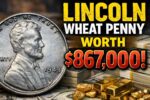
- Key Dates in High Grade: Rare varieties in Mint State can reach extraordinary values. For example, a 1943 copper penny once sold for $867,000 at auction.
This wide range of values makes collecting Lincoln Wheat Pennies both accessible and exciting.
The Thrill of Collecting
Lincoln Wheat Pennies are a perfect entry point for new collectors. They are affordable, widely available, and rich in history.
- Beginner Appeal: Many people start by searching through old jars or rolls of pennies, hoping to find a hidden treasure.
- Advanced Collecting: Serious numismatists aim to complete full sets, including rare varieties and high-grade examples.
- Educational Value: Collecting these coins teaches history, economics, and the art of coin design.
The pursuit of rare pennies adds an element of adventure, as collectors never know what they might discover.

Cultural and Historical Significance
Beyond their monetary value, Lincoln Wheat Pennies hold cultural importance. They represent a time when coins were not just currency but also symbols of national pride.
Lincoln’s image on the penny reinforced his legacy as a unifying figure, while the wheat design reflected America’s agricultural roots. These coins remind us of the nation’s resilience during times of change, from the Great Depression to World War II.
Conclusion
The Lincoln Wheat Penny is more than just a coin. It is a piece of American history, a collector’s delight, and a symbol of enduring value. From common dates worth only a few cents to rare varieties fetching hundreds of thousands of dollars, the range of possibilities makes this coin endlessly fascinating.
Whether you are a beginner searching through pocket change or an experienced collector chasing elusive rarities, the Lincoln Wheat Penny offers a journey filled with history, artistry, and the thrill of discovery.