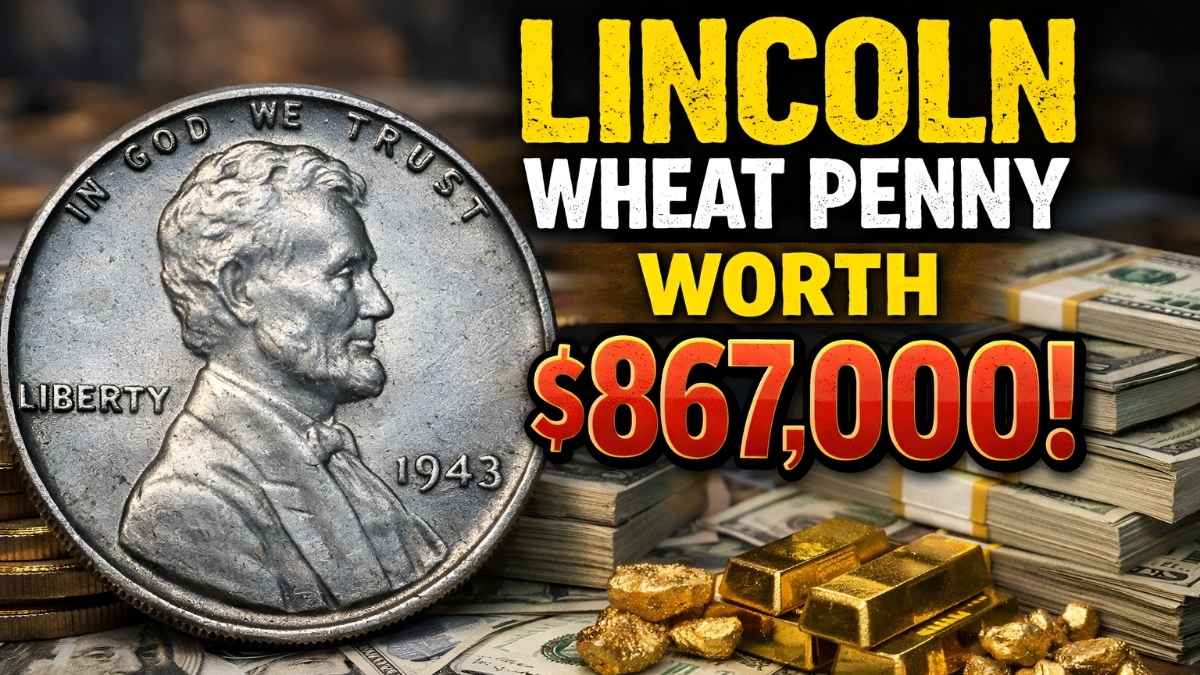
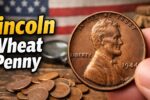
Lincoln Wheat Penny Worth $867,000: The Lincoln Wheat Penny was first minted in 1909 to commemorate the centennial of Abraham Lincoln’s birth. Designed by Victor David Brenner, it was the first U.S. coin to feature a real person rather than a symbolic figure. The reverse carried two wheat ears, giving the coin its nickname. Produced until 1958, the Wheat Penny remains one of the most collected coins in American numismatics. While most examples are common, certain rare varieties have achieved legendary status, with one selling for an incredible $867,000 in 2026.
The $867,000 Wheat Penny
The penny that reached this record price is a rare variety distinguished by its scarcity and condition. Auction houses reported intense bidding, with collectors and investors competing for ownership. The final hammer price of $867,000 reflects not only the coin’s rarity but also the enduring appeal of Lincoln’s image and the Wheat Penny’s place in American history. This sale demonstrates how even a humble one-cent coin can become a treasure when rarity and demand align.
Why Some Wheat Pennies Are Worth So Much
Most Wheat Pennies are worth only a few cents, but certain factors can elevate their value dramatically:
- Rarity: Coins with low mintage or unique varieties are always more valuable.
- Condition: Mint State examples with sharp details and minimal wear command higher prices.
- Historical Importance: Coins tied to significant events or errors in production often attract strong demand.
- Collector Demand: Popularity among numismatists drives prices upward, especially for iconic series like the Wheat Penny.
Famous Rare Wheat Pennies
Several Wheat Pennies have long been considered rare and valuable. Here are some of the most notable examples:

- 1909-S VDB: The first year of issue with Brenner’s initials. Extremely scarce and highly collectible.
- 1914-D: A low-mintage coin from the Denver Mint, prized in high grades.
- 1922 No D: A variety where the Denver Mint mark was accidentally omitted.
- 1931-S: One of the lowest mintage Wheat Pennies, making it highly desirable.
- 1943 Copper Penny: Struck in copper instead of steel during World War II, one of the most famous error coins.
- 1955 Double Die: Known for its dramatic doubling of the date and lettering, a favorite among collectors.
Identification Tips for Collectors
Finding a valuable Wheat Penny requires careful examination. Here are some tips to help collectors identify rare varieties:
- Check the Mint Mark: Coins from San Francisco and Denver often have lower mintages.
- Look for Errors: Doubling, missing mint marks, or unusual strikes can indicate rare varieties.
- Examine the Date: Certain years are known for scarce issues, such as 1909, 1914, 1922, 1931, 1943, and 1955.
- Assess Condition: Coins with sharp details, strong luster, and minimal wear are worth more.
- Use Magnification: A magnifying glass or loupe can reveal subtle details that distinguish rare coins.
Value Chart for Rare Wheat Pennies in 2026
| Coin Variety | Estimated Value Range (2026) |
|---|---|
| 1909-S VDB | $1,000 – $3,500 |
| 1914-D | $500 – $5,000 |
| 1922 No D | $1,500 – $10,000 |
| 1931-S | $75 – $1,000 |
| 1943 Copper Penny | $150,000 – $1,000,000 |
| 1955 Double Die | $1,000 – $25,000 |
| 1944 Steel Penny | $50,000 – $200,000 |
| 1926-S | $50 – $3,000 |
| 1936 Double Die Obverse | $500 – $5,000 |
| 1941 Double Die Obverse | $200 – $2,000 |
| $867,000 Wheat Penny | Record auction price |
Note: Values vary depending on condition, rarity, and market demand.
Why Collectors Love Wheat Pennies
Wheat Pennies are beloved for their accessibility and variety. They are easy to find in circulation, yet certain rare examples can be worth thousands or even hundreds of thousands. This combination makes them appealing to both beginners and seasoned numismatists. The design itself, featuring Lincoln’s portrait and the wheat ears reverse, adds to their charm. Collectors enjoy the thrill of searching through rolls of pennies, hoping to uncover a hidden treasure.
Investment Potential
Rare Wheat Pennies have proven to be strong investments over time. Their values have consistently risen, especially for the most famous varieties. The $867,000 sale in 2026 highlights the potential for extraordinary returns. While not every penny will reach such heights, building a collection of rare and high-grade examples can be both rewarding and profitable. Coins tied to historical events or minting errors often appreciate the most.
Tips for Building a Collection
For those interested in collecting Wheat Pennies, here are some practical tips:
- Start with affordable varieties to build knowledge and experience.
- Invest in professional grading for rare coins to ensure authenticity and maximize value.
- Store coins properly to prevent damage from moisture or handling.
- Stay informed about auction results and market trends.
- Network with other collectors to learn and share insights.
Conclusion
The Lincoln Wheat Penny remains one of the most iconic coins in American history. In 2026, the record-breaking $867,000 sale proves that even the smallest denomination can hold immense value when rarity, condition, and demand align. From the 1909-S VDB to the legendary 1943 Copper Penny, collectors continue to chase these treasures with passion. Whether you are a beginner searching through pocket change or an investor seeking rare varieties, the Wheat Penny offers endless opportunities to connect with history and build lasting value.