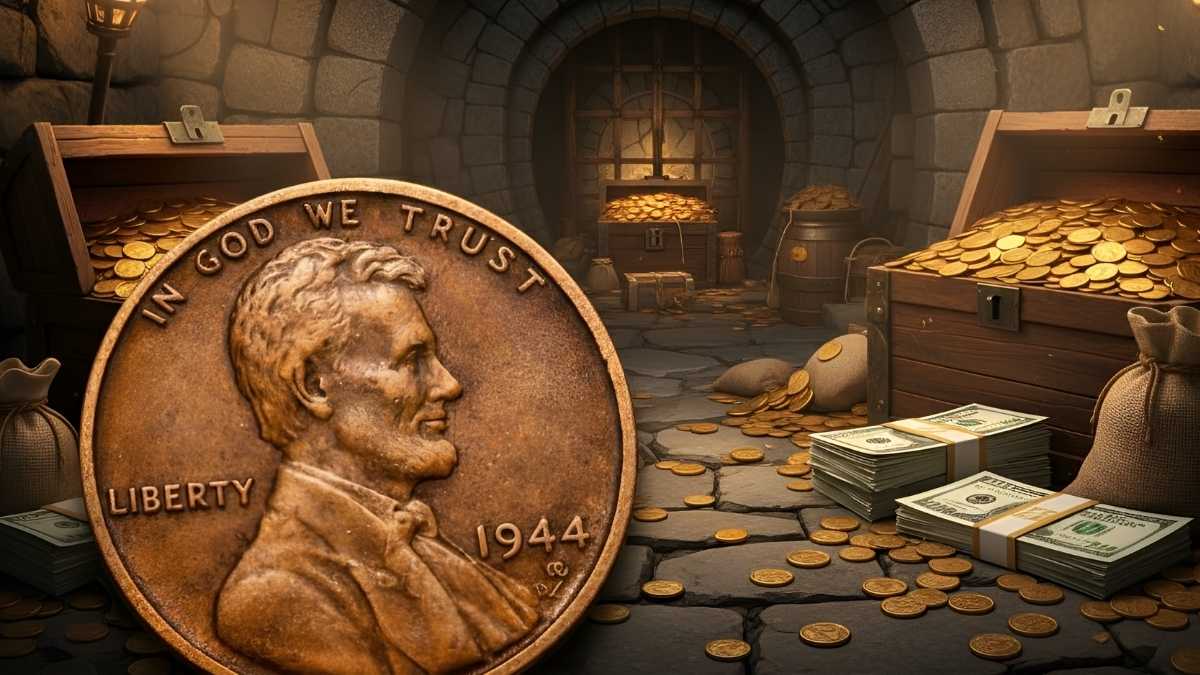
Wheat Penny Value Guide 2026: The Lincoln Wheat penny, minted from 1909 to 1958, remains one of the most beloved coins in American numismatics. Its reverse design featuring two wheat stalks gave it its nickname, and over the decades it has become a symbol of early twentieth century coinage. In 2026, collectors continue to seek out rare dates, mint errors, and high grade examples, with values ranging from a few cents to thousands of dollars.
Rare Dates That Command High Value
Certain years and mint marks stand out as particularly valuable:
- 1909 S VDB: The most famous Wheat penny, with limited mintage, often valued in the thousands depending on condition.
- 1914 D: A scarce Denver issue, highly prized in mint state.
- 1922 No D: A variety missing the Denver mint mark, considered one of the rarest.
- 1931 S: Low mintage makes this coin desirable even in circulated condition.
- 1955 Double Die Obverse: One of the most iconic error coins, with dramatic doubling visible on the date and lettering.
Mint Errors That Increase Value
Errors and varieties can transform ordinary Wheat pennies into valuable collectibles:
- Double Dies: Doubling on the date or lettering is highly sought after.
- Off Center Strikes: Coins struck off center can be worth hundreds depending on severity.
- Repunched Mint Marks: Variations in mint mark placement add collector interest.
- Die Cracks and Cuds: Unique imperfections that make coins one of a kind.
Historical Price Changes
The value of Wheat pennies has evolved significantly over the decades:
- In the 1960s, most Wheat pennies circulated at face value, with only a few rare dates recognized by collectors.
- By the 1980s, increased interest in numismatics drove prices higher, especially for key dates.
- The 2000s saw a surge in online auctions, making rare varieties more accessible and raising awareness of errors.
- In 2026, demand remains strong, with high grade coins certified by PCGS or NGC commanding premium prices.
Collector Insights in 2026
Collectors today emphasize condition and certification. Mint state coins graded MS65 or higher are especially valuable, while error coins continue to attract attention. The market also shows strong interest in complete sets, with albums containing all dates and mint marks fetching impressive sums.
Tips for Identifying Valuable Wheat Pennies
- Check Mint Marks: Coins from Denver (D) and San Francisco (S) often have lower mintages.
- Inspect for Errors: Doubling, off center strikes, and unusual features can add significant value.
- Evaluate Condition: Coins with sharp details and original luster are worth far more than worn examples.
- Seek Professional Grading: Certification adds credibility and ensures accurate valuation.
Conclusion
The Wheat penny remains a cornerstone of American coin collecting in 2026. Rare dates like the 1909 S VDB and 1914 D, iconic errors such as the 1955 Double Die, and high grade examples continue to capture the imagination of collectors. Understanding rarity, condition, and historical price changes is key to identifying valuable coins. For enthusiasts and investors alike, Wheat pennies offer both historical charm and financial potential, making them timeless treasures in the world of numismatics.